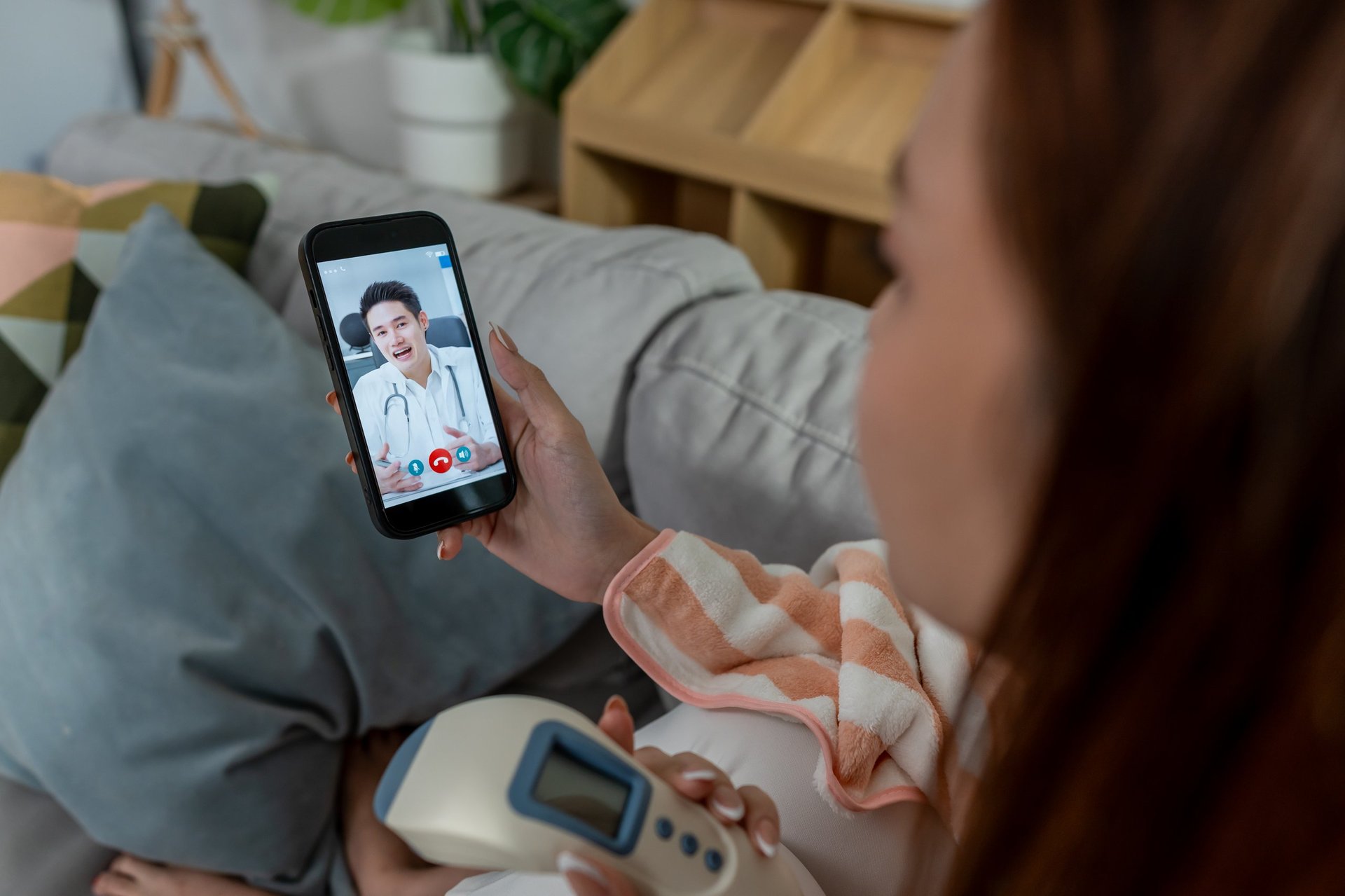
Clinically proven GLP-1 receptor agonists like semaglutide and tirzepatide, prescribed by licensed providers after your consultation.
These aren't appetite suppressants. GLP-1 receptor agonists are synthetic analogs of an endogenous incretin hormone that acts on multiple organ systems simultaneously — gut, brain, pancreas, and liver.
Slows the rate at which food leaves the stomach by ~30–50%. This prolongs satiety signaling to the brain via vagal afferent nerves — not by "shrinking" your stomach, but by delaying nutrient delivery to the duodenum.
GLP-1 receptors in the arcuate nucleus of the hypothalamus directly suppress appetite via POMC/CART neuron activation while inhibiting NPY/AgRP hunger pathways. This is central, not peripheral appetite control.
Glucose-dependent insulin secretion from pancreatic β-cells — meaning GLP-1s only stimulate insulin release when blood glucose is elevated, virtually eliminating hypoglycemia risk. Simultaneously suppresses glucagon.
Range across semaglutide STEP trials (14.9%) to tirzepatide SURMOUNT-1 (22.5%) at 48–72 weeks. Brand-name equivalents cost $1,000+/month; compounded versions $249–399/month.
GLP-1s have been prescribed since 2005 (exenatide). Most side effects are GI-related (nausea, constipation) and transient — typically resolving within 4 weeks of dose escalation. Serious risks (pancreatitis, thyroid C-cell tumors) are rare and screened for during intake.
Every GLP-1 is compounded at our 503A-licensed pharmacy using FDA-registered APIs. Your provider selects the right medication and dose-escalation schedule based on your intake, labs, and goals.
The most widely studied GLP-1 agonist. Semaglutide has 94% sequence homology to native human GLP-1 with two key modifications: an albumin-binding fatty acid chain (extending half-life to ~7 days) and a substitution at position 8 to resist DPP-4 degradation. STEP trial data: 14.9% mean body weight reduction at 68 weeks vs 2.4% placebo.
First-in-class dual agonist: a 39-amino-acid synthetic peptide that agonizes both GLP-1 and GIP receptors — the latter enhancing insulin sensitivity independently. SURMOUNT-1 showed 22.5% mean weight loss at 72 weeks (highest dose). GIP agonism also appears to mitigate GI side effects compared to pure GLP-1s, improving tolerability during dose escalation.
All GLP-1s compounded at FDA-registered 503A pharmacy • Provider prescription required after intake • Cold-chain shipped • Dose escalation managed by your provider
GLP-1 medications may be right for you if:
Common side effects are usually mild and improve over time:
Important: Your provider will review your complete medical history to ensure GLP-1 therapy is safe for you.